


Building a company is often glorified as a journey of passion, ambition, and relentless hustle. Founders are expected to lead teams, solve problems, make high-stakes decisions, and stay motivated no matter how intense the pressure becomes. But behind the success stories and social media highlights lies a silent struggle many entrepreneurs face – founder fatigue.
Founder fatigue is more than just feeling tired after a long workday. It is a deep emotional, mental, and physical exhaustion caused by constant pressure, stress, and overwork. Many founders ignore the early signs because hustle culture has normalized burnout as part of entrepreneurship. However, when recovery is ignored for too long, productivity, creativity, health, and emotional wellbeing begin to suffer.
In today’s fast-moving business world, conversations around founder wellness and burnout recovery are becoming increasingly important. Sustainable success is no longer about working endlessly – it is about learning when to pause, recover, and reset.
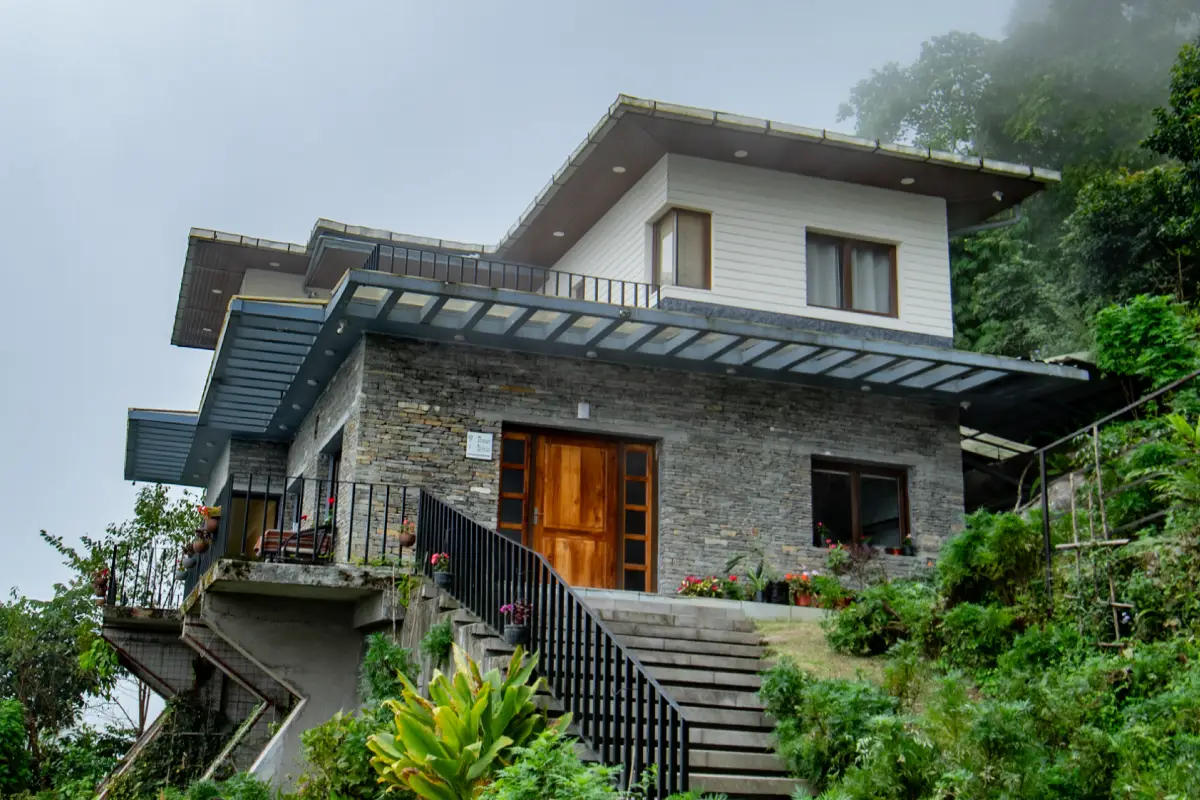
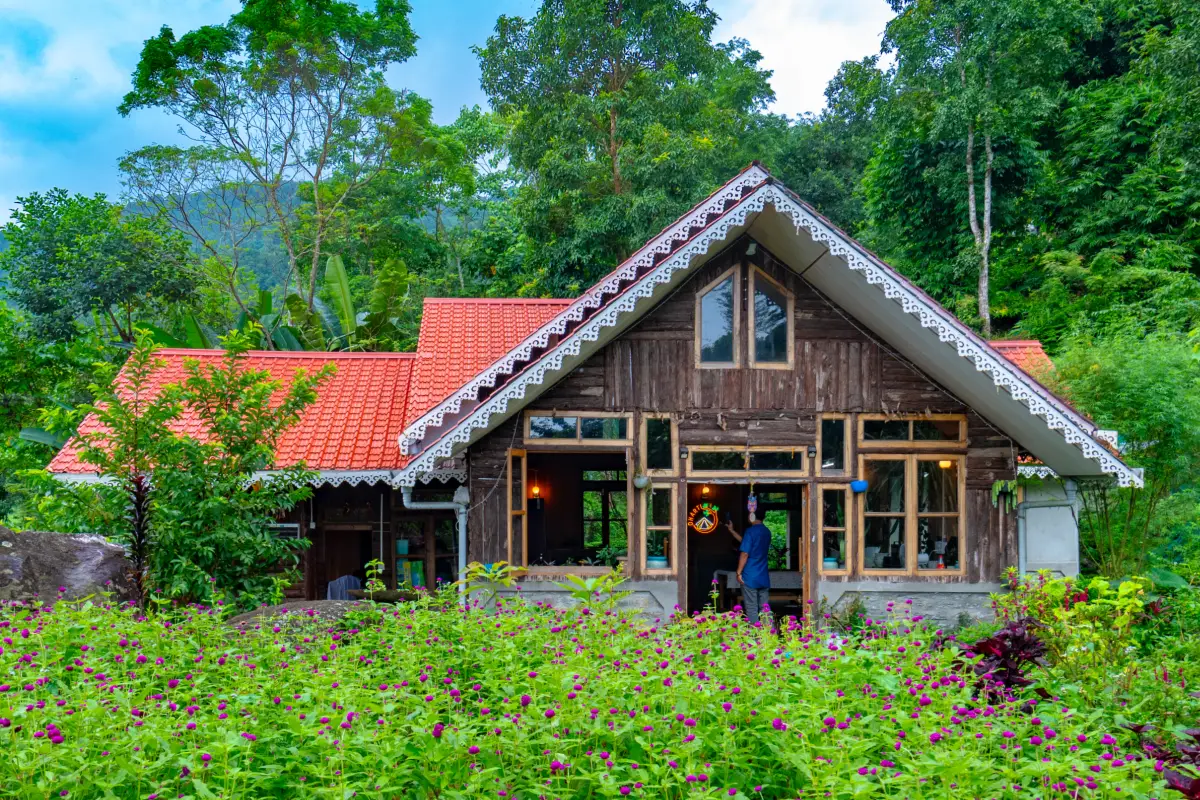
Here, time slows. The design blends local stone and warm wood with cozy interiors. With just three plush bedrooms, a modular kitchen, and tranquil shared spaces, Relimai feels like a high-end home in the hills rather than a hotel.
What Is Founder Fatigue?
Founder fatigue is a state of deep, cumulative exhaustion – emotional, cognitive, and physical – that develops when entrepreneurs sustain high-intensity output without adequate recovery over an extended period. It is not ordinary tiredness. It is the product of months or years of relentless decision-making, responsibility, and pressure accumulating in a body and mind that were never given space to reset.
“Founder fatigue is not about working hard. It is about working hard without recovering – and slowly paying the price in clarity, creativity, and connection.”
Why Founder Fatigue Is Often Ignored
The startup ecosystem has a strange relationship with suffering. It glamorizes the grind while quietly pathologizing the people who cannot sustain it indefinitely. The result is a culture where admitting exhaustion feels like admitting failure.
Founders rarely speak about burnout because hustle culture has made overwork the expected baseline. Because they feel personally responsible for every job, every user, every investor’s return. Because showing vulnerability can shift how the market perceives their company’s stability. Because, honestly, success becomes its own kind of mask – it is hard to claim you are drowning when the charts are going up.
The Hustle Myth-
The industry narrative ties founder worth to hours worked, making rest feel like a form of failure or competitive disadvantage.
Responsibility Paralysis-
Founders feel responsible for every employee, every metric, every investor – stepping back, even briefly, feels like abandonment.
Perception Fear-
Vulnerability in leadership is still widely misread as instability, keeping founders silent in the very communities that could support them.
Success as Camouflage-
When external results are strong, it becomes nearly impossible to justify – even to yourself – that something inside is breaking down.
Feeling Constantly “On”?
Founder fatigue often develops quietly, making it difficult to recognize until exhaustion becomes overwhelming. Sometimes, stepping away from the pressure is the first step toward regaining clarity. Explore how nature-based wellness experiences at Invana can help you slow down, reset, and reconnect with what matters most.
Common Signs of Founder Fatigue
Founder fatigue reveals itself gradually, often disguised as ordinary stress or temporary pressure. But there are specific patterns that signal something deeper is at work. If you recognize yourself in several of the following, it is worth pausing and paying attention.
- Chronic exhaustion that sleep does not resolve
- Poor or disrupted sleep despite physical tiredness
- Irritability, emotional flatness, or numbness
- Loss of motivation for work that once energized you
- Brain fog, reduced creativity, slower thinking
- Persistent anxiety and a sense of overwhelm
- Difficulty making decisions – even small ones
- Social withdrawal from colleagues, friends, family
- Physical symptoms: headaches, muscle tension, illness
These symptoms overlap with what researchers identify as executive burnout and leadership fatigue – broader patterns of entrepreneur burnout that affect performance, wellbeing, and long-term sustainability at the highest levels of an organization.
The Hidden Impact of Founder Fatigue on Business
Founder fatigue does not only affect personal health — it also impacts the business itself.
When mental clarity declines, decision-making becomes more reactive and less strategic. Creativity suffers, communication weakens, and leadership energy decreases. Over time, exhausted founders may struggle to inspire teams, manage challenges effectively, or maintain long-term vision.
Some of the hidden business effects of founder fatigue include:
- Poor decision-making
- Reduced productivity
- Lower team morale
- Increased stress within the workplace
- Lack of innovation
- Emotional disconnection from business goals
- Difficulty maintaining healthy professional relationships
Burnout also affects personal life. Many entrepreneurs experience strained relationships, sleep problems, emotional exhaustion, and declining physical health due to prolonged stress. Success achieved at the cost of wellbeing is rarely sustainable.
Why High Performers Need Recovery Systems
“Recovery Is Not Laziness – It’s Leadership Maintenance”
High-performing leaders often believe rest is something they can “earn later.” But recovery is not a reward – it is a necessity. Just like athletes need recovery to perform at their best, founders also need structured rest to maintain clarity, focus, and resilience. Without recovery systems, stress accumulates continuously, leading to emotional and physical exhaustion.
Recovery allows the nervous system to reset. It improves mental clarity, emotional balance, creativity, and decision-making. More importantly, it helps founders reconnect with themselves beyond work pressure. True leadership is not about constant exhaustion. It is about building sustainable energy and long-term resilience.
Recovery Is a Performance Strategy
The most successful leaders understand that sustainable performance requires intentional recovery. A well-designed wellness retreat can provide the space needed to rest, reflect, and return with renewed focus.
How Nature and Wellness Retreats Help Combat Founder Fatigue
One of the most effective ways to recover from founder fatigue is by stepping away from constant stimulation and reconnecting with nature.
Nature-based wellness retreats offer founders an opportunity to slow down, breathe deeply, and experience intentional rest. In a world dominated by screens, meetings, notifications, and pressure, moments of stillness can have a powerful healing effect.
Wellness retreats help founders by providing:
- Digital detox experiences
- Mindfulness and meditation practices
- Stress reduction therapies
- Quiet spaces for reflection
- Better sleep and relaxation
- Emotional reset and mental clarity
- Connection with nature and self
Spending time in natural environments has been shown to reduce stress, calm the nervous system, and improve emotional wellbeing. For entrepreneurs constantly operating in survival mode, this pause can feel transformative.
At Invana, wellness is not simply about relaxation – it is about helping individuals reconnect with balance, clarity, and inner calm. For founders facing burnout and exhaustion, intentional recovery can become the foundation for sustainable leadership.
Building a Sustainable Founder Lifestyle
A wellness retreat can provide the reset. But the habits you build afterward determine whether you return to the same patterns or something genuinely different. Sustainable founder wellness is not a one-time intervention – it is a lifestyle architecture.
- Schedule recovery as deliberately as you schedule fundraising calls. Blank calendar space is not laziness – it is strategy.
- Take screen-free breaks during the day. Even 20 uninterrupted minutes without a device meaningfully reduces cortisol and restores attention.
- Create genuine boundaries between work and life – not aspirational ones. The email can wait. Your nervous system cannot.
- Prioritize sleep architecture. Sleep is when decision-making circuits repair themselves. Protect it like a business asset.
- Delegate effectively and with intention. Over-concentration of responsibility is a structural risk – not a sign of care.
- Spend regular, intentional time in nature. The research on its effect on stress hormones and cognitive restoration is unambiguous.
- Practice mindful leadership – check in with your internal state before key decisions. Your mood is a variable in every meeting you lead.
Why Founder Wellness Is the Future of Leadership
Something is shifting in how the entrepreneurial world talks about leadership. The most effective founders of the next decade will not be those who can endure the most punishment. They will be those who have developed the emotional intelligence, self-awareness, and recovery practices to lead with sustained clarity and genuine presence.
Conscious entrepreneurship – building companies in ways that honour human limitation while still pursuing ambitious goals – is not a soft trend. It is a survival strategy. The founders who internalize this build more resilient teams, make better decisions under pressure, and stay in the game long enough to actually win it.
Mental wellbeing is not a distraction from the business. For founders, it is the business.
You Are Allowed to Pause
Founder fatigue is real. It is common. And it is not a sign that you are not cut out for this – it is a sign that you are human, and that you have been carrying something very heavy, often alone, for a very long time.
The most courageous thing a founder can do is acknowledge what is happening and choose to address it before the breaking point arrives. Not because you have stopped caring about the company, but because you understand, finally, that you are the company’s most irreplaceable resource.
“Sometimes the most productive thing a founder can do is pause, recover, and reconnect.”
If you feel the weight of what this piece has described, we invite you to explore what genuine recovery could look like for you. Not as an escape – but as a return. To clarity, to purpose, to the kind of leadership that only comes from a self that has been properly cared for.
Invana was built for this moment. For founders who are ready to recover the way they built their companies – with intention, with care, and with seriousness about the long game.
Reclaim Your Energy Before Burnout Takes Over
Founder fatigue doesn’t disappear by pushing harder. It improves when recovery becomes a priority. If you’re feeling mentally drained, emotionally exhausted, or disconnected from your work, now may be the right time to pause and reset.
At Invana, we create experiences that help professionals and entrepreneurs reconnect with clarity, wellbeing, and sustainable performance.
FREQUENTLY ASKED QUESTIONS
Founder fatigue, or burnout, is the physical, emotional, and mental exhaustion startup founders experience from sustained pressure and decision-making.
Fatigue is commonly divided into three primary categories: physical, mental, and emotional.
Because burnout is a work-related condition, the single best thing you can do to start recovering is to remove yourself from your job – at least for a while
To help with fatigue it is important to try and save your energy. To do this some people find the 3 P’s helpful. This means planning, prioritising and pacing yourself.
The 4 P’s of fatigue are a widely used energy conservation framework designed to help manage both physical and cognitive fatigue. By breaking activities into these four steps- Prioritize, Plan, Pace, and Position.
Fatigue symptoms can be physical, mental and emotional and may include: chronic tiredness, sleepiness or lack of energy.
Fatigue is most commonly caused by deficiencies in Vitamin B12, Vitamin D, and Folate (Vitamin B9), as well as minerals like Iron and Magnesium.